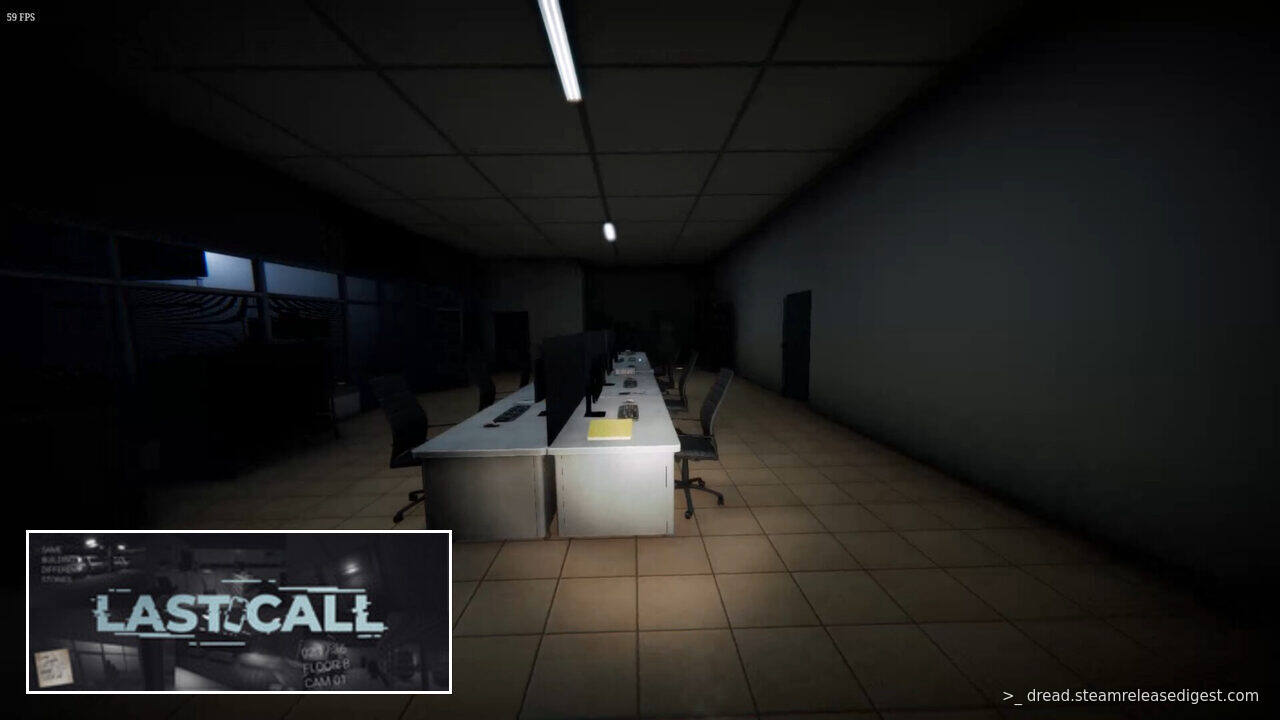
You spend most of Last Call staring fixedly at mundane office fixtures, terrified that a desk lamp moved two inches to the left.
Developed and published by Two Sleepy Cats, this atmospheric horror experience takes the popular anomaly-hunting formula—famously featured in titles like The Exit 8—and embeds it into the suffocating, uncanny quiet of an office building during a solitary night shift. Your objective on paper is simple: inspect each floor, observe every detail, and look for anything that feels slightly out of place. When you spot an anomaly, you pull out your in-game smartphone camera, snap a photo to document the discrepancy, and attempt to move on to the next floor. If you miss a detail, make an incorrect judgment, or break a rule, the building quietly resets your progress, trapping you in a terrifying loop back at the start.
Rules That Refuse to Stay Static
What elevates Last Call beyond a standard spot-the-difference game is how it manipulates tension through evolving rules and instructions. Rather than relying strictly on passive observation, the game sends cryptic text messages to your phone as you progress. Some messages offer helpful hints about what to look for on a given floor, while others demand specific actions you must perform before you are allowed to exit. Crucially, the narrative hints early on that not every message originates from a trustworthy source, forcing you to second-guess whether following orders will save you or lead you directly into a trap.
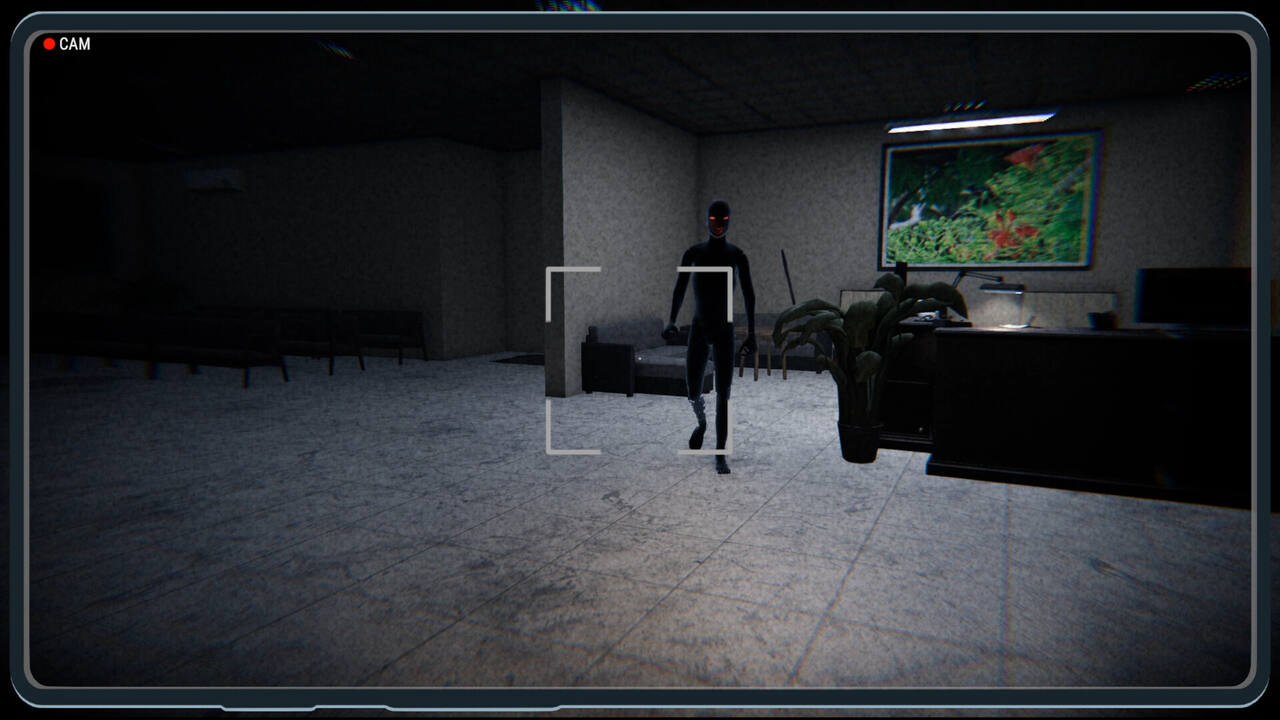
Every floor introduces its own distinct behavioral logic and visual hazards. On one level, you might be scanning file cabinets for subtle shape changes; on another, something unseen is actively watching or stalking your movement, demanding a fast and unconventional response. Objects move, multiply, disappear, or transform into uncanny shapes. Because the building refuses to behave the same way twice, you can never settle into a comfortable rhythm or trust your instincts from the previous floor.
What the Players Are Saying
With a unanimous 100% positive rating across its initial reviews, Last Call has clearly struck a chord with horror enthusiasts. Players consistently praise the game’s eerie ambiance, smooth performance, crisp visuals, and exceptionally tense sound design. A recurring highlight in user feedback is how effectively the game engages its players through text: even reviewers who usually skip in-game notes and readable archives report halting their progress to read every document, praising the environmental storytelling for pulling them deep into the building’s lore.
The scares themselves hit hard. Players frequently cite specific, deeply unsettling encounters that break the quiet tension—most notably a terrifying green entity lurking on Floor G, and a heart-stopping moment on the ground floor where a figure suddenly sprints full speed toward the player. The subtle zoom levels and polished presentation also make the experience approachable for players who are usually sensitive to intense visual motion or motion sickness.
Where players find minor friction—or where potential buyers should set expectations—is in the game’s structural brevity and reliance on sudden shocks. While the core experience relies on psychological dread and paranoid observation, Last Call isn’t afraid to deploy visual distortion and sudden jump scares when you least expect them. Traditionalists who prefer purely quiet, slow-burn psychological horror without loud, abrupt threats might find these spikes jarring. Additionally, at roughly one to three hours for a full run, it is a short, bite-sized experience—though many note it feels like a strong, promising foundation for future installments from the developer.
The Verdict
Last Call is a polished, deeply paranoid anomaly-spotting game that excels at making routine observation feel dangerous. It is tailored for players who love liminal spaces, psychological mind games, and the quiet thrill of scrutinizing a hallway until reality starts to buckle. If you enjoy games that respect your attention to detail and offer a genuinely creepy atmosphere without demanding a massive time investment, this $3.99 night shift is well worth taking.
Key Facts
- Developer: Two Sleepy Cats
- Publisher: Two Sleepy Cats
- Release Date: Sep 24, 2026
- Price: $3.99