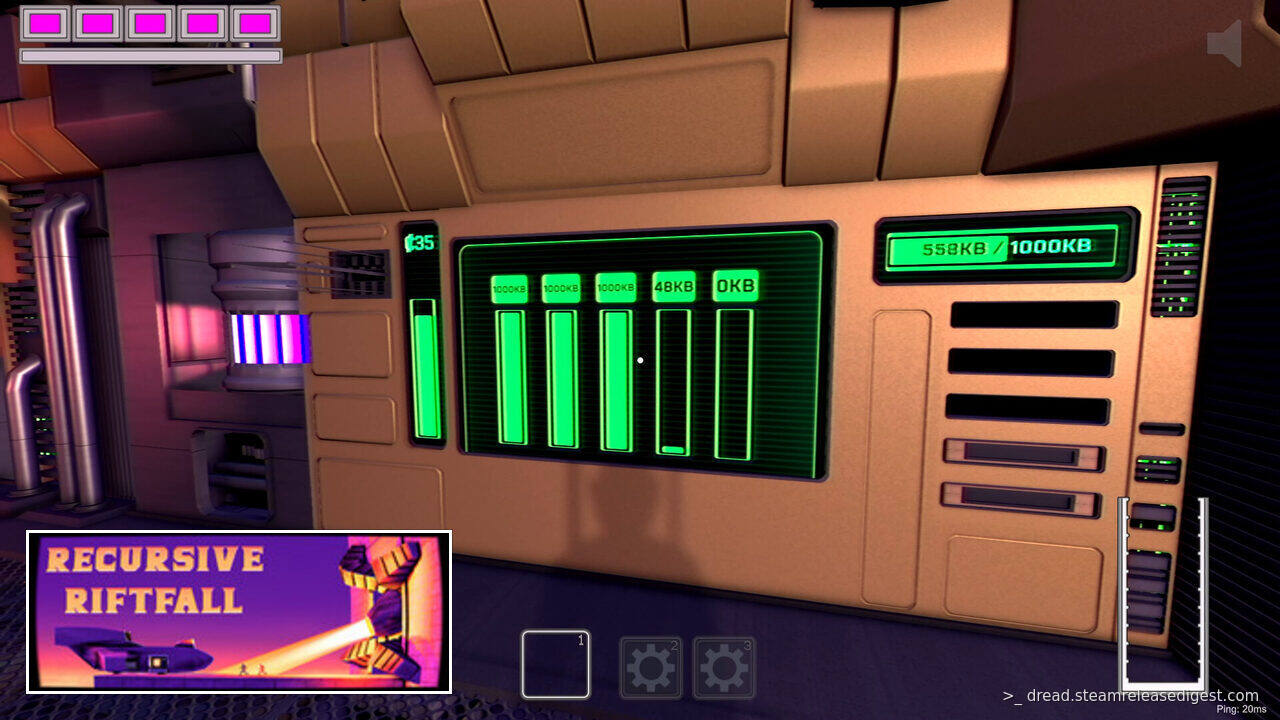
You wake up inside a silent hub with no AI companion to greet you, no tutorial to explain your purpose, and no clear direction on where to step next. In the opening moments of the game, the silence is immediate and absolute. Rather than holding your hand through a cinematic sequence, it drops you straight into the deep end of an interdimensional salvage mission. Left with nothing but the clothes on your back, you are tasked with harvesting data cartridges from shifting, liminal corridors under the watchful, demanding eyes of unseen “benefactors” who will abandon you to the void the moment you fail to meet your quota.
At its core, the experience is a co-op looter that wears its “quota horror” influences on its sleeve. You and your crew step through rifts into empty, unsettling structures to retrieve data. Success earns you credits to buy tools like teleporters, radios, and cloaking devices to evade the exotic entities patrolling the halls; failure means being left permanently stranded between dimensions. What sets this apart from its contemporaries is its lack of a player cap. Whether you go in alone, in a standard squad of four, or with a massive, chaotic horde of players, the game adapts its difficulty on the fly, supported by a seamless drop-in system that lets friends join mid-run without resetting the lobby.
The lack of a player cap changes the horror dynamic entirely. In a standard four-player setup, proximity chat creates a tight, tense loop of checking in on your partners. In a larger lobby, however, the game becomes a strange, sprawling expedition. You might hear the distant, echoed screams of your teammates reverberating down a concrete hallway three floors below you, their voices suddenly cut short by an unseen entity, leaving you to decide whether to investigate or push deeper into the silence for more loot.
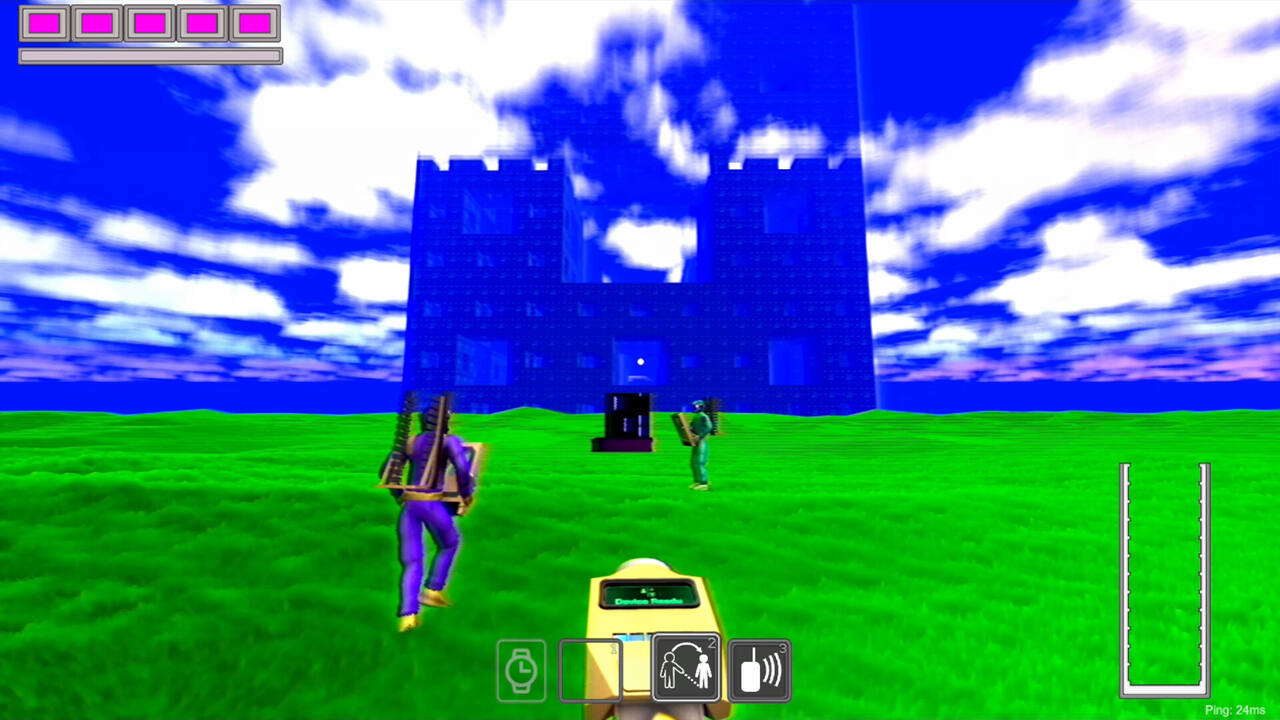
However, players are divided on whether this open-ended structure works in its favor. Some find the absolute lack of onboarding a barrier to entry, noting that starting a lobby feels confusingly empty without a brief summary or an onboard AI to set the stage. There is a fine line between deliberate, atmospheric mystery and a simple lack of polish, and the game frequently walks that line. One player highlighted a bizarre visual quirk in the level design: rooms flooded with bright, multicolored light that seemed to emanate from nowhere, creating a surreal “rainbow” effect without a visible light source like a lamp or a window. While this unrefined lighting design can break immersion for some, for others, it adds to the uncanny, dreamlike wrongness of exploring spaces that simply shouldn’t exist. In a dimension-hopping horror game, light that originates from nothingness fits the theme of quiet wrongness perfectly, even if it feels a bit rough around the edges.
The comparisons to genre giants are inevitable. Dissatisfied players have pointed out that the game can feel like a direct attempt to merge the resource-management panic of Lethal Company with the aesthetics of the Backrooms, occasionally falling short of both. In its current state, it can feel mechanically thin and lacking in variety, requiring more monster types and environmental hazards to keep the tension from evaporating after the first couple of hours. Yet, those who appreciate quiet exploration have praised its distinct vibes. When the proximity chat fades and you find yourself separated from your group in a sprawling, silent corridor, the game captures a very specific, lonely brand of dread.
So, who is this for? At a modest five-dollar price point, it is an easy recommendation for co-op groups who have exhausted other horror titles and want a low-stress, atmospheric sandbox to explore. It is not a polished masterpiece, nor does it deliver high-intensity, choreographed scares. Instead, it offers a rough-edged, liminal playground where the terror comes less from what is chasing you, and more from the vast, empty quiet of the rifts themselves.
Key Facts
- Developer: ZanderK
- Publisher: ZanderK
- Release Date: Jun 1, 2026
- Price: $4.99