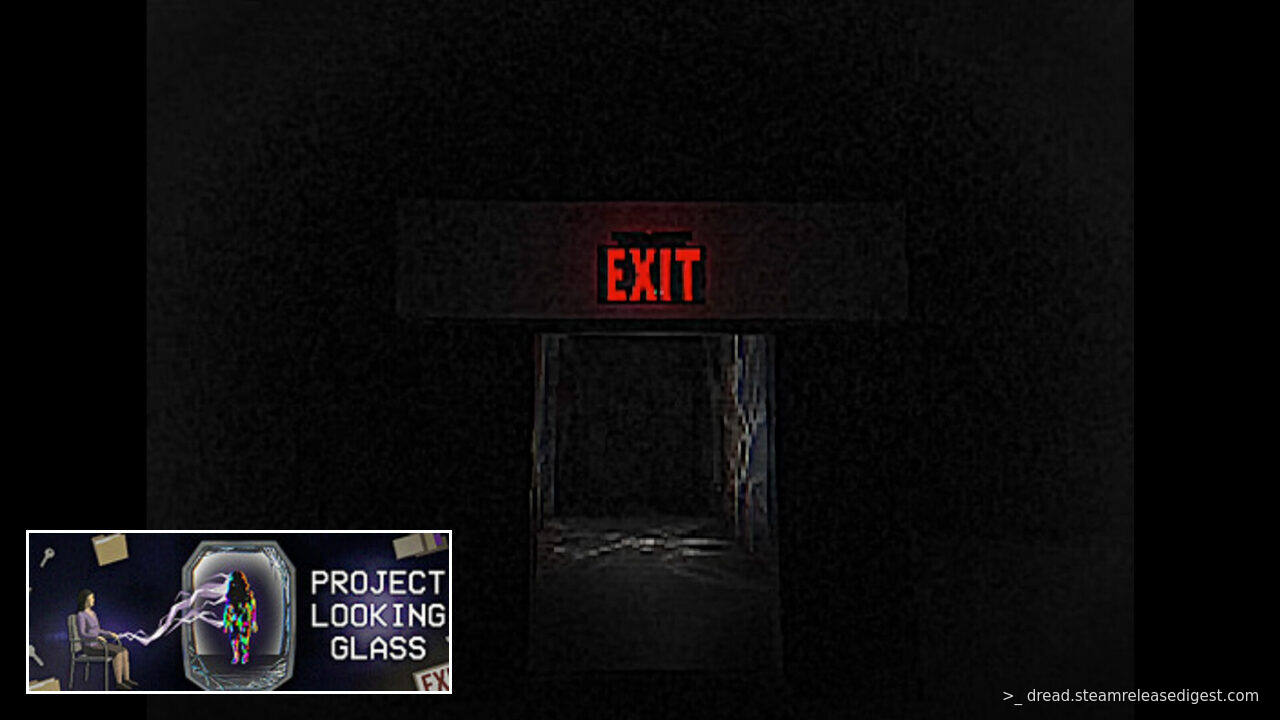
To step into the cold, cathode-ray glow of 1963’s Project Looking Glass is to step into a beautifully fragmented nightmare where your primary means of navigation is stepping directly into TV static. One player described the experience simply as “absolute cinema,” a testament to how this low-poly, retro-futuristic horror game punches far above its weight class. It avoids the cheap jumps and loud noises of contemporary streaming bait, choosing instead to anchor its terror in the quiet, deeply unsettling silence of the astral plane and the heavy weight of a mother’s grief.
The Cathode-Ray Corridor
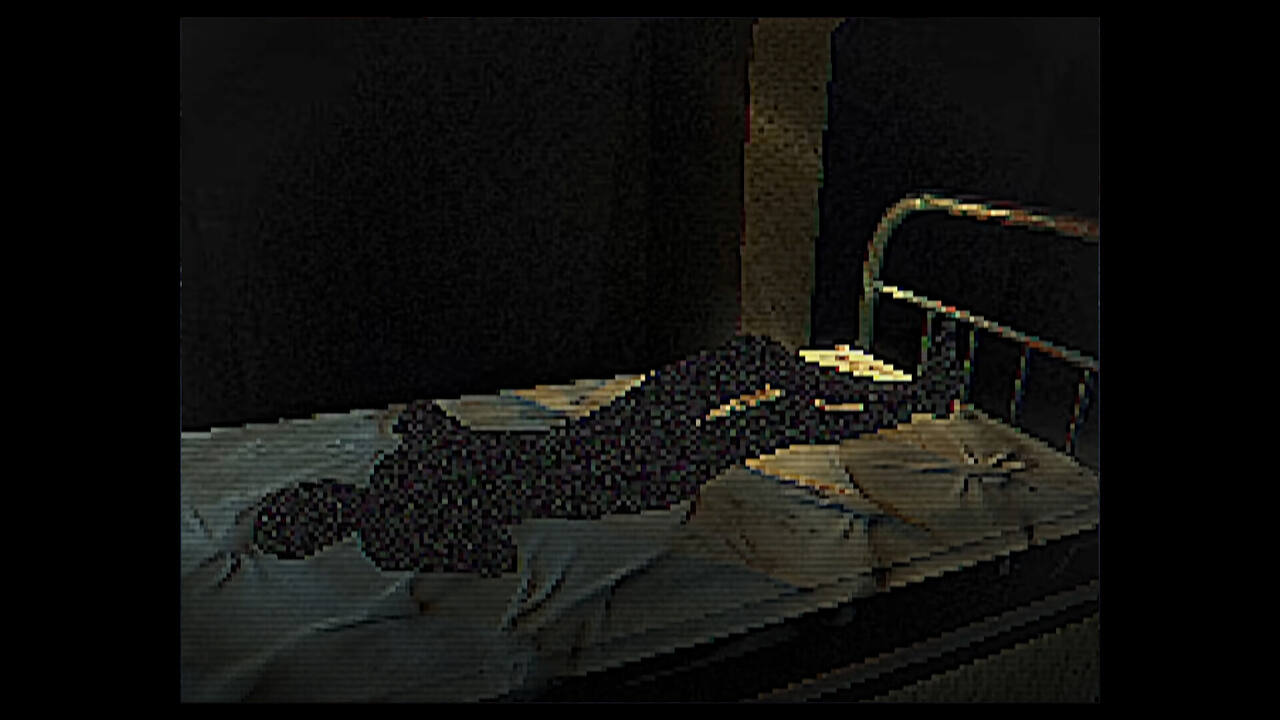
You play as Subject 7, a grieving woman recruited by a secretive Cold War government agency. The premise is fascinating: you project your consciousness into the astral realm, experiencing surreal, shifting dreamscapes displayed entirely through a retro CRT monitor interface. The core loop involves navigating these projections—strange, liminal spaces that blend domestic tragedy with governmental rot—and piecing together your own history through audio logs, memos, and environmental clues.
What makes it mechanically striking is its non-linear structure. You find and travel through various televisions scattered across the game world. Because of how the story is constructed, it does not matter which TV you choose to dive into first; the narrative shifts and reshapes itself around your exploration, allowing the player to piece together the tragedy in whatever order they stumble upon it. Visually, the game leans heavily into its inspirations. You can feel the DNA of cult classics like LSD Dream Emulator, Petscop, and My house.wad vibrating through the CRT scanlines and VHS glitching effects. It uses a screen-locked texture style and low-poly environments that could easily feel cheap in lesser hands, but here, the low fidelity acts as a veil. It forces the player’s mind to fill in the dark, empty spaces, transforming a simple hallway or a quiet room into a breeding ground for dread.
Unravelling the Signal
The game currently enjoys a pristine 100% positive rating on Steam, and reading through player accounts, it is clear why. The community has rallied around the game’s immaculate vibes and its refusal to hold the player’s hand. Players are consistently charmed by the puzzle design, which offers a satisfying level of challenge without devolving into frustrating moon-logic.
However, Project Looking Glass is not without its friction points. The game’s commitment to minimal hand-holding means that players can easily find themselves disoriented in its shifting, surreal architecture. Several players noted that they wandered aimlessly for a while before realizing the game actually features an in-game map, which dramatically opens up the experience once found. Others mentioned getting temporarily stuck on specific puzzles or feeling that, despite the innovative non-linear delivery, the core narrative itself wraps up in a somewhat predictable fashion. It is also quite a brief journey—most players reached the credits in under four hours—meaning the experience is more of a sharp, concentrated shock to the system than a sprawling, drawn-out campaign.
The Verdict
For those who appreciate the quiet, uncanny terror of analog horror and the unsettling emptiness of liminal spaces, Project Looking Glass is an essential play. It is a game designed for players who want to be dropped into a strange world, left to decipher its rules and its history on their own terms. If you prefer your horror to linger in your mind like screen burn-in rather than startle you with a sudden shriek, this retro-scientific tragedy is worth every penny.
Key Facts
- Developer: MORPH
- Publisher: MORPH
- Release Date: Aug 11, 2026
- Price: $4.99