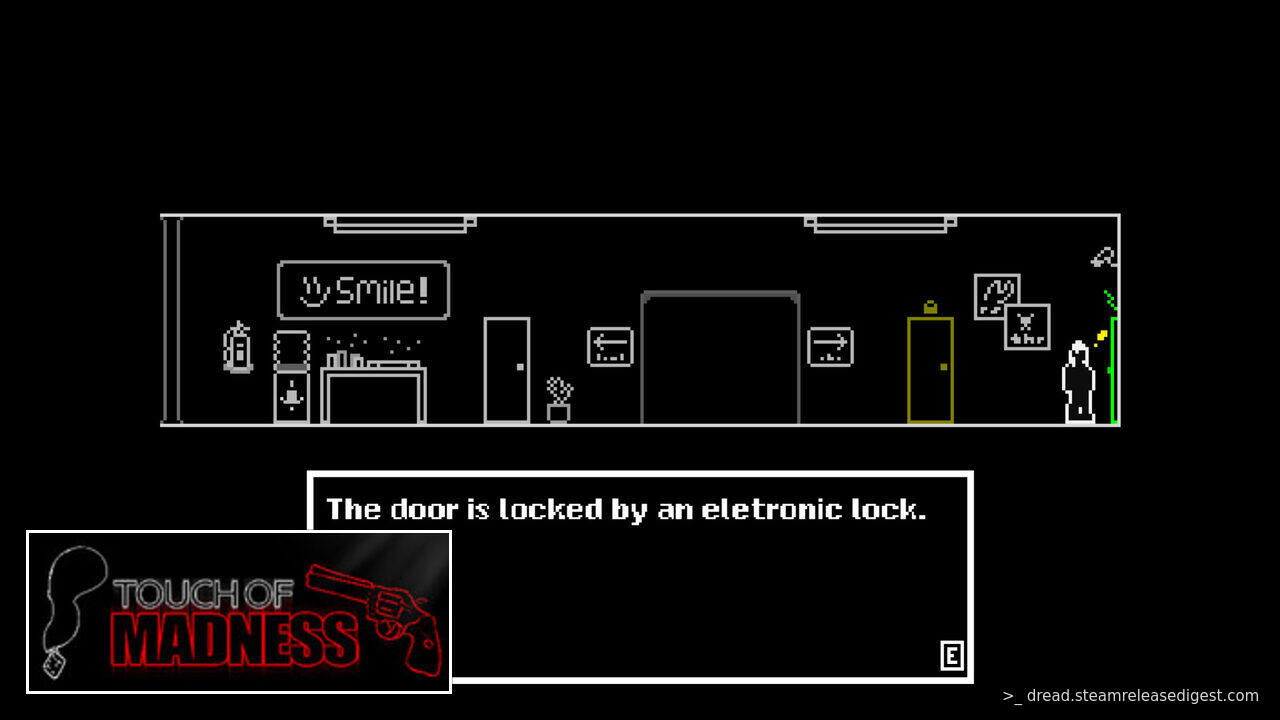
Survival in this lo-fi psychological thriller hinges on a jarring, constant perspective shift: while one protagonist fights through waves of inner demons with a firearm and infinite ammo, the other must navigate the exact same shifting environments unarmed, relying entirely on stealth and evasion to save him.
This dual-character dynamic forms the spine of NLT Productions’ debut title. On one side of the mental divide is Neo, a man trapped inside a suffocating, looping nightmare of his own making. Neo’s segments are loud, desperate, and action-oriented. Armed with weapons that never run out of bullets, he represents the violent, externalized struggle against the manifestations of his own guilt. On the other side is Lavina, a loyal friend who ventures into Neo’s fractured subconscious to pull him back from the edge. Playing as Lavina transforms the experience instantly. Gone is the safety of firepower; instead, you are left vulnerable, forced to slip into the shadows, hide behind the geometry of the rooms, and quietly evade the very monstrosities Neo is busy blasting apart.
A Fractured World in Few Colors
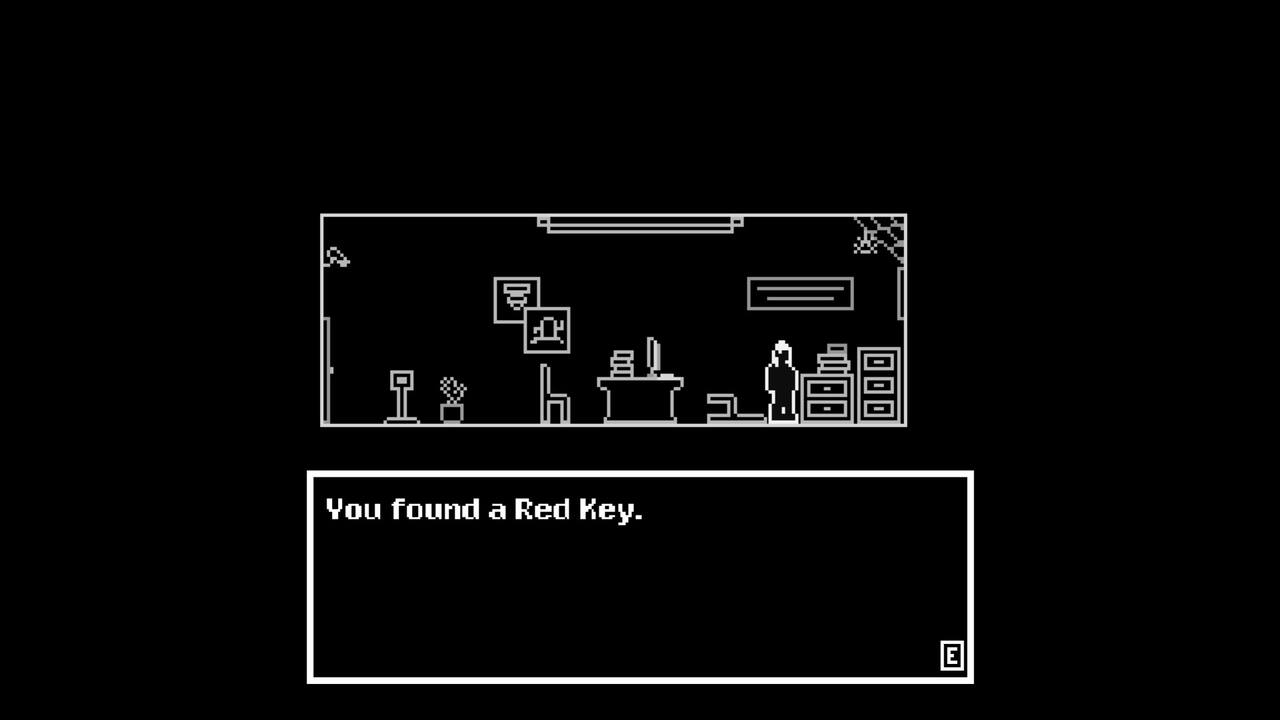
The developer uses a highly restricted, minimalist color palette that immediately evokes the dread-soaked, 8-bit aesthetic of retro classics like FAITH: The Unholy Trinity. By stripping away modern visual clutter, the game forces you to focus on the stark, oppressive geometry of its environments. This minimalist approach extends directly to the storytelling, which relies on hand-drawn cutscenes and abstract, subliminal imagery to paint a portrait of self-hatred, guilt, and the grueling process of moving on from past mistakes. Rather than relying on sudden, ear-splitting jump scares, the atmosphere is built through a heavy, lingering sense of wrongness. You are constantly traversing the same locations across different, deteriorating realities, creating a disorienting sensation that you are walking through a mind that is actively eating itself.
This atmosphere is heavily elevated by its sound design, which manages to feel both retro and deeply atmospheric. The soundtrack is a frequent point of praise, seamlessly shifting from low, droning, unsettling ambient tracks during tense exploration sequences to unexpectedly upbeat, funky rhythms in a surreal club segment. It’s a sonic juxtaposition that perfectly mirrors the unstable mental state of its protagonist, keeping you perpetually off-balance.
What Players Love and What Grates
For a debut project, player reception has been remarkably warm, with players praising the balance and rhythm of its combat. The boss battles, in particular, avoid the cheap, frustrating difficulty spikes common in low-budget indie horror. Instead of bullet-sponge enemies that drag on, the bosses feature creative, highly readable attack patterns that reward observation. Once you figure out their rhythm, the fights feel incredibly satisfying and fair, offering a solid mechanical payoff to the tension built up during the exploration phases.
However, the game’s minimalist ambition does occasionally run into minor structural friction. Because the visual style relies so heavily on a limited color palette, players bad with directions have noted that the looping hallway sections can become confusingly homogenous, leading to moments of aimless wandering in identical-looking corridors. Furthermore, while the game successfully juggles stealth, action, and light exploration, the puzzles themselves are rather rudimentary. Players looking for deep, cerebral environmental puzzles may find themselves wishing the developer had pushed the mechanical complexity just a bit further. A few players have also noted that the narrative can feel slightly text-heavy in its delivery, though the emotional weight of its “motivation scenes” and the ultimate message of redemption generally carry the weight of those wordier stretches.
The Verdict
This is a bite-sized, highly focused piece of psychological horror that respects your time. Running at a lean one to two hours, it doesn’t overstay its welcome or pad its runtime with tedious backtracking. It is a game designed to be absorbed in a single, focused sitting on a dark evening.
If you are looking for a sprawling, systems-heavy survival simulator, you won’t find it here. But if you have a soft spot for the eerie, low-resolution dread of retro indie horror, abstract narratives that trust your intelligence to piece together their subliminal messages, and a stellar soundtrack that knows exactly when to unnerve you, this quiet descent into a broken mind is an absolute steal.
Key Facts
- Developer: NLT Productions
- Publisher: NLT Productions
- Release Date: Aug 10, 2026
- Price: $3.99