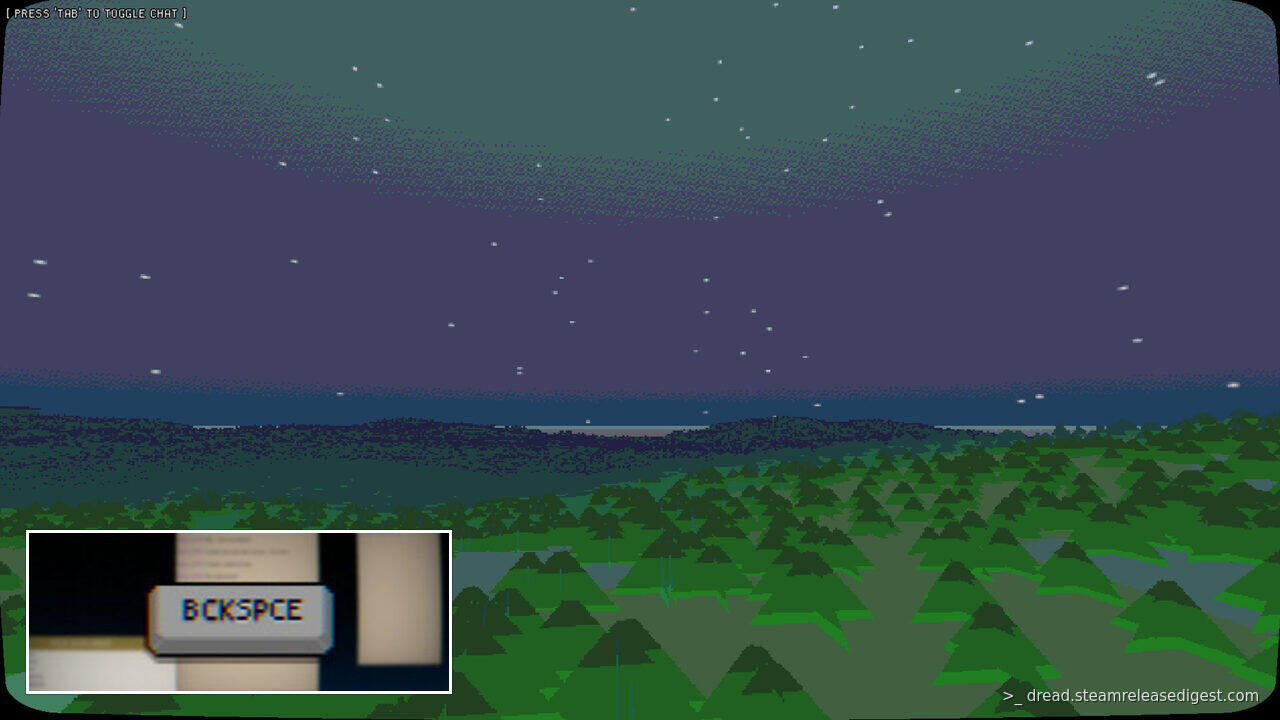
The phosphor hum of a simulated CRT monitor glows in the dark, casting a pale green light over a desktop environment that should have been decommissioned years ago. This is SPECTRE OS, an abandoned operating system resurrected by your close friend, Stella. She has dragged you into this digital playground for a week of exploration, eager to show you what the old system can do. But as you click through the folders, a quiet wrongness begins to seep through the scanlines. Your character’s memory is hazy, Stella’s enthusiasm feels increasingly fragile, and the system directories hold secrets that feel less like forgotten data and more like deeply personal, unresolved traumas.
Inside the SPECTRE OS
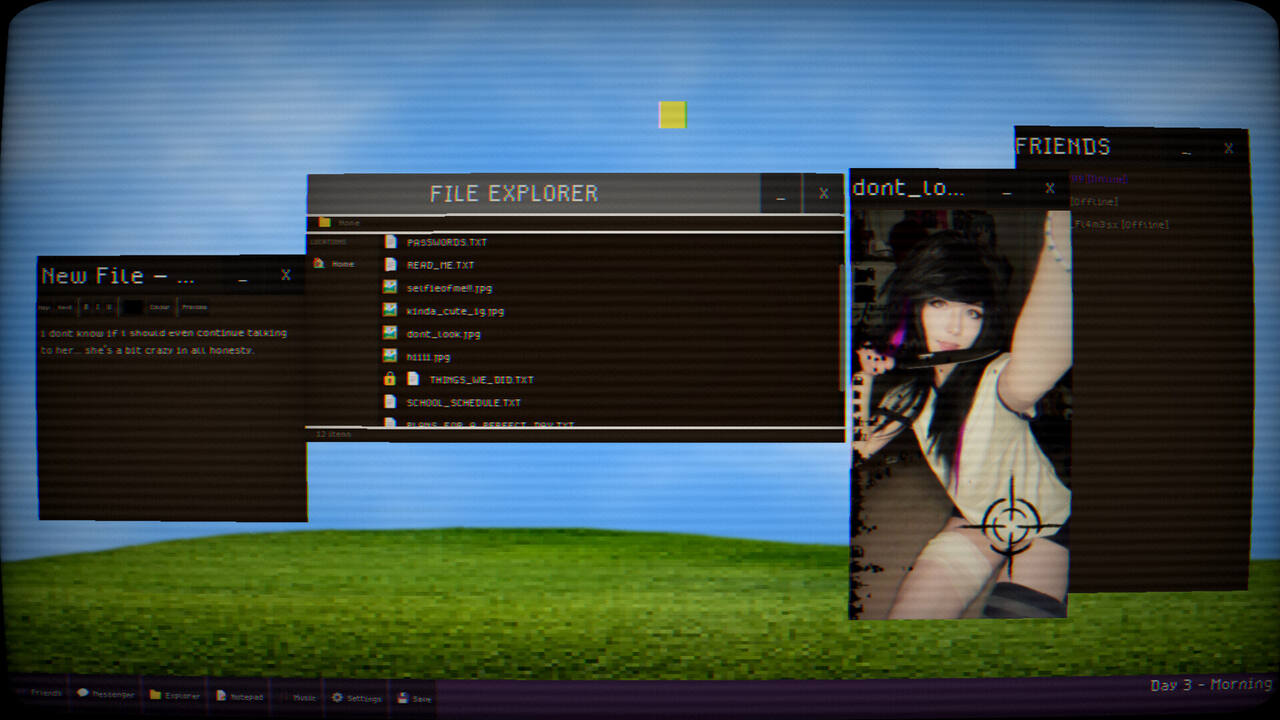
At its core, BCKSPCE is an interface-driven psychological horror game. Rather than exploring physical corridors with a flashlight, you navigate a fully realized, retro-styled virtual desktop. The gameplay loop consists of opening files, solving puzzle-like system directories—such as cracking a stubborn password-protected archive named “birthday.zip”—and playing simple, system-native minigames. It is an experience of digital isolation, where the narrative unfolds chronologically over a week. The game relies heavily on its aesthetic to build tension; the customizable CRT filter and color-palette sliders aren’t just cosmetic options, but tools that trap you in a specific, claustrophobic era of technology. It is a slow-burn mystery that trusts the player to pay attention to the subtle shifts in the desktop’s layout and the creeping changes in Stella’s messages.
Where the Terror Connects and Where It Fails
Player sentiment reveals a game that punches well above its tiny $2.99 price tag, though it is not a smooth ride for everyone. On a narrative level, the game is a resounding success for fans of quiet, character-driven dread. Players heavily praise the writing for its restraint, noting that BCKSPCE refuses to spoon-feed its plot. Instead, it relies on implication and subtle behavioral shifts to show Stella’s unraveling. This slow building of tension culminates in an emotional, heavy ending that multiple players compared to the meta-narrative shifts of Doki Doki Literature Club.
However, the game’s descent into psychological distress includes some incredibly sharp edges. BCKSPCE deals with highly sensitive themes, specifically self-harm, which some players found intensely uncomfortable—to the point of needing to physically remove their headsets to take a break. The sound design, while effective at building atmosphere, occasionally oversteps; a segment involving an unexpected voice call is reportedly so loud that it shatters the established tension with raw sensory assault rather than earned dread.
Mechanically, the game also shows its indie seams. A fast-paced “virus minigame” has proven to be a major frustration point, with players getting stuck due to demanding click-speeds and a lack of clarity regarding what score is actually required to progress. Others have noted minor technical headaches, such as an unreliable text-skipping function, tiny fonts that remain difficult to read even after adjusting the CRT filter, and system events that trigger repeatedly and confusingly when clicking on already-opened programs.
The Verdict
BCKSPCE is a highly specific breed of psychological horror designed for players who prefer the quiet, uncanny terror of interface-based storytelling over kinetic action. If you enjoy piecing together a tragic, emotional mystery through files and text boxes—and you do not mind some mechanical jank and very heavy thematic content—this is an exceptionally rewarding way to spend a quiet evening. It is a brief, intense, and deeply personal passion project that proves you do not need a massive budget to create a lingering sense of unease.
Key Facts
- Developer: Lunavia, Oxiqa
- Publisher: Lunavia, Team INNERMINDS
- Release Date: Jun 6, 2026
- Price: $2.99