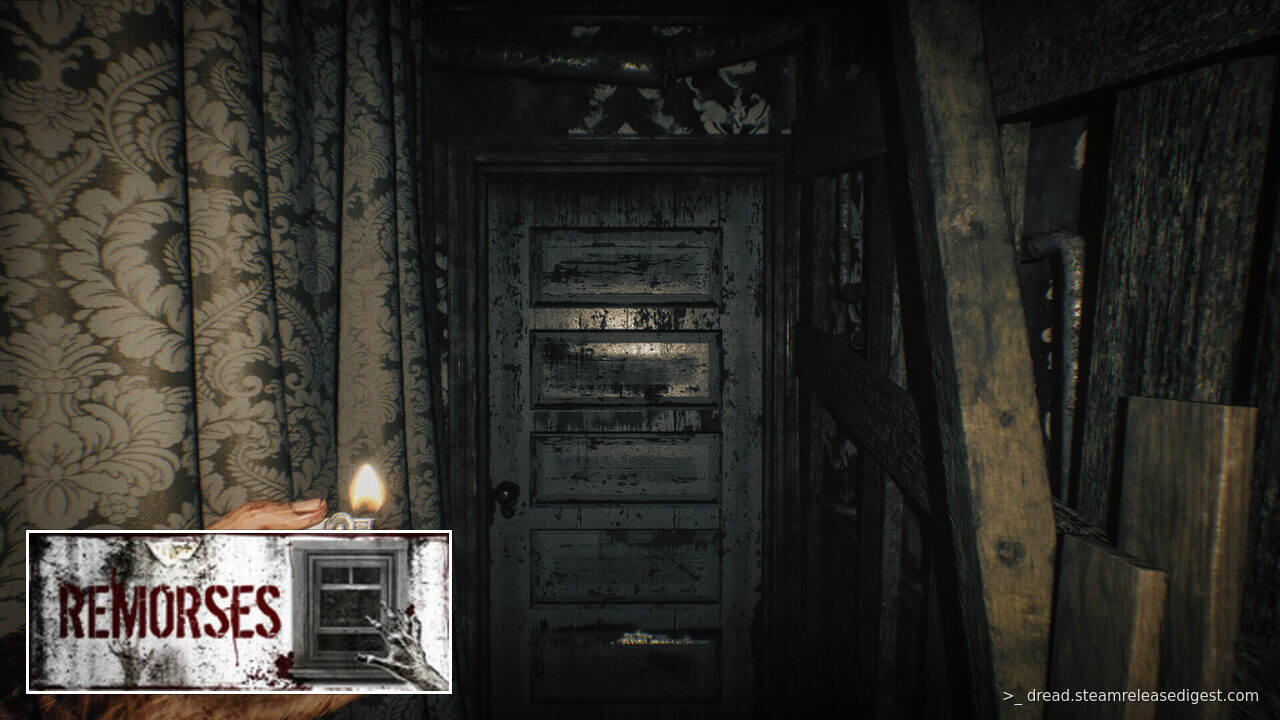
In the damp, decaying halls of Westbrook Mansion, the air itself is your enemy. You aren’t just managing a flashlight battery or a stamina bar in Twistedline Games’ psychological horror title; you are managing the very breath in investigator Jake Lepistow’s lungs. Step into a room with closed windows for too long, and the atmosphere begins to choke you, unraveling Jake’s sanity and distorting your vision. Survival in this game hinges on a remarkably simple, tactile action: finding a window and flinging it open to let the cold, 1991 Rivervalley air rush in.
Set in the Lakota Territory during the autumn of 1991, the game casts you as a smug supernatural investigator who has spent his career chasing folklore without ever facing real danger. That changes when Jake investigates Westbrook Mansion, a historic estate shrouded in recent witchcraft rumors and disappearances. What follows is a slow-burning, intensely atmospheric investigation that blends classic adventure game logic with modern psychological dread.
The core gameplay loop centers on tension-filled exploration and puzzle-solving. To combat the witchcraft consuming the mansion, you must hunt for ingredients to brew a counter-agent. This isn’t a simple fetch-quest; the environments are dense, and the puzzles require active logical, visual, and auditory deduction. One moment you might be deciphering a cryptic note, and the next, you are paralyzed with paranoia as surveillance cameras in an empty room begin clicking on and off by themselves. Crucially, the game allows you to save at any time, a merciful feature that offsets the crushing weight of its oppressive atmosphere.
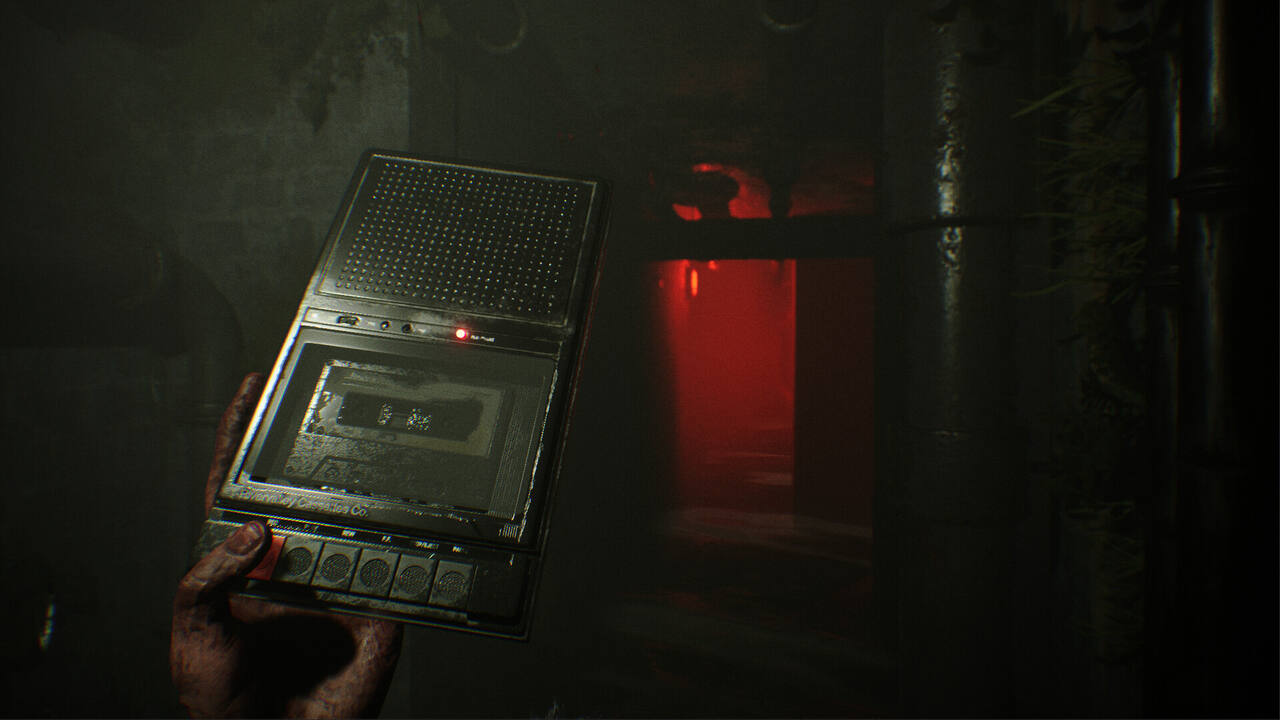
What elevates the dread from a cheap thrill to a lingering shudder is the game’s audio design. Featuring a soundscape crafted by the sound designer of Outlast and the composer of Visage, the audio profile is masterfully realized. Creaking floorboards, the low rattle of wind against loose glass, and the sudden, sharp silence of an empty room are weaponized to make you feel as though someone—or something—is constantly standing right behind you.
Community reception reveals a fascinating division. While the game boasts highly positive reviews from those who finish it, early players frequently clashed with its uncompromising design. Remorses strictly refuses to hold your hand. There are no quest markers, no glowing trails, and very little explicit guidance. For puzzle purists, this is a triumph; they point to highly creative, mind-bending puzzles that respect the player’s intelligence. For others, the complete lack of direction leads to moments of frustrating stagnation where the path forward feels needlessly obscure.
Furthermore, players have noted that the sanity system can feel mechanically vague at times, leaving you wondering exactly how close you are to the brink. Technical polish is generally high, with players reporting a smooth, bug-free experience, though those with high-end setups may find the graphics options frustratingly bare-bones, occasionally requiring manual tweaks to configuration files to unlock higher resolutions. Lastly, while the journey is widely praised as a masterclass in tension, a few players felt the narrative payoff at the ending was somewhat abrupt, leaving certain threads feeling slightly unfinished.
Ultimately, Remorses is a love letter to the golden era of uncompromising psychological horror. It shares its DNA with atmospheric giants like Visage and MADiSON, trading cheap jump-scares for a persistent, suffocating sense of wrongness. If you require clear objective markers and straightforward puzzles, the halls of Westbrook Mansion may only offer frustration. But if you hunger for a horror game that trusts your intellect, wraps you in a terrifyingly detailed soundscape, and makes the simple act of breathing feel like a hard-won victory, this is a quiet corner of Steam you cannot afford to overlook.
Key Facts
- Developer: Twistedline Games
- Publisher: Twistedline Games
- Release Date: Jun 2, 2026
- Price: $14.99