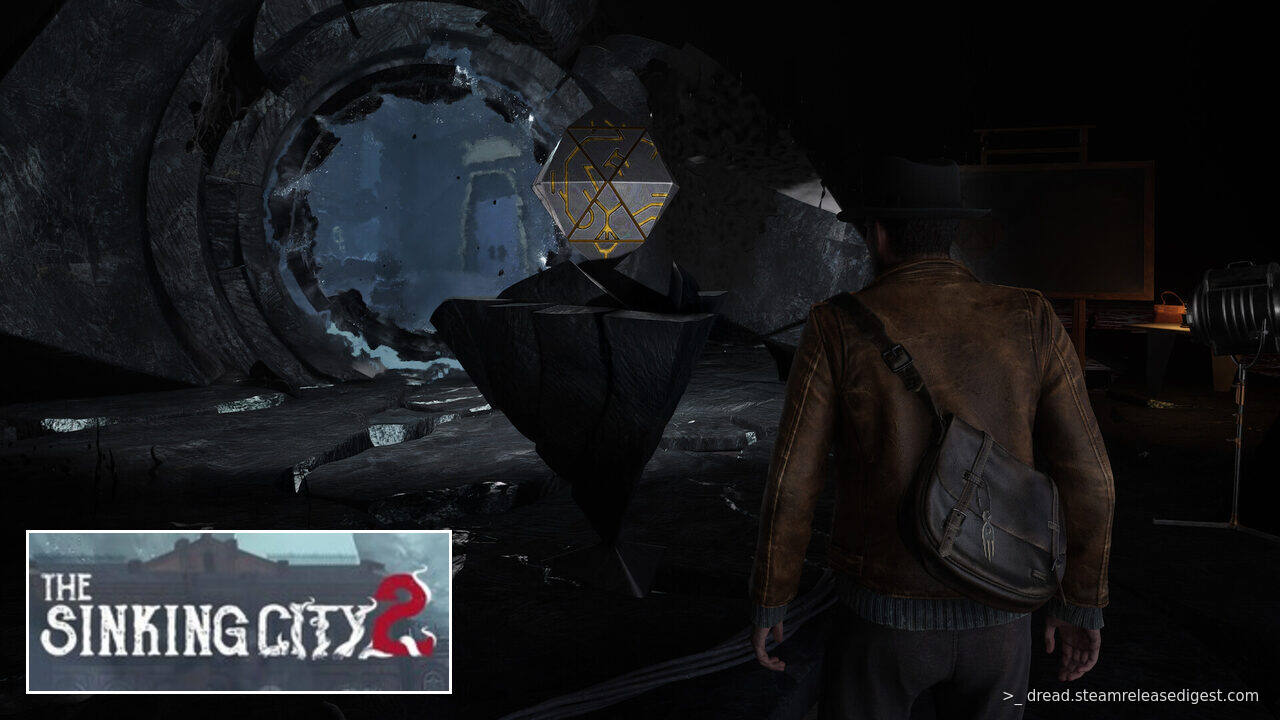
In the tide-stained alleyways of Frogwares’ latest title, you navigate a half-submerged 1920s metropolis by foot and skiff, rationing scarce ammunition while solving optional occult mysteries to unlock vital shortcuts and survival-saving gear.
Unlike its predecessor, which often got lost in the vast, open-ended weeds of investigation, this sequel leans fully into the claustrophobic, resource-starved tradition of classic survival horror. You play as a protagonist tracking the fading presence of a loved one whose soul has been trapped in the Dreamlands by a ritual gone horribly wrong. To reach her, you must push through Arkham, a port city buckling under a supernatural deluge where Art Deco architecture is slowly reclaiming its place at the bottom of the sea. The atmosphere is thick with wet, rotting decay; you will creep through dark, abandoned speakeasies, navigate a hospital where science hides its face, and explore a fish market where the catches of the day are actively hostile.
The core loop is built around a heavy sense of vulnerability and deliberate choice. You are constantly balancing the risk of direct combat against the necessity of retreat, knowing that every bullet spent on the shambling Slither or the Deep Ones surging from the black water is a bullet you might desperately need later. The game refuses to hold your hand through this drowning labyrinth. While you can follow the main path to progress, the game rewards those who slow down. By choosing to decode forbidden journals, sift through ritual residues, and pursue optional side cases, you bypass dangerous areas and secure weapon upgrades that turn the tide against space-bending shadows. It’s a design that uses exploration not as a distraction, but as a vital currency for staying alive.
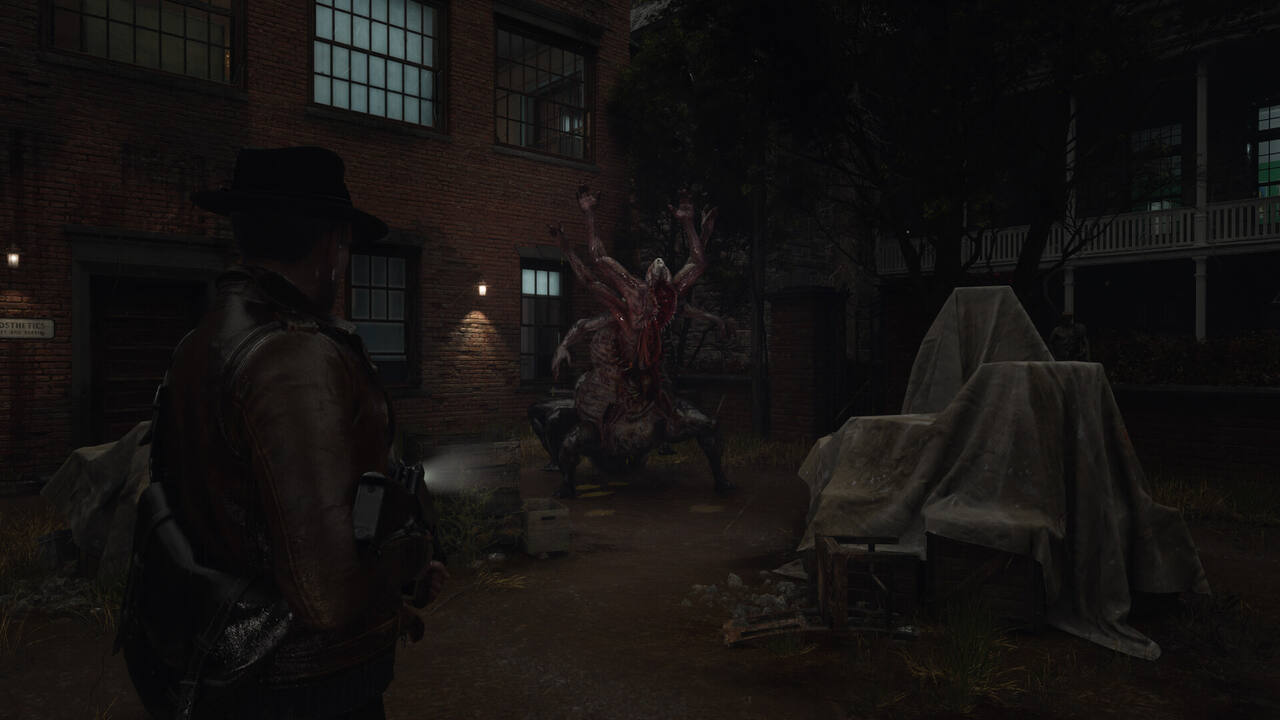
For players who have spent years navigating Frogwares’ historically stiff control schemes, the response to this shift in design is overwhelmingly positive. Steam users have widely praised the slick character movement, noting it feels leaps and bounds ahead of the developer’s previous Sherlock Holmes games, even if it does not quite reach the absolute mechanical polish of modern survival horror titans. The sound design is a particular standout; players wearing headphones report a masterclass in atmospheric audio, where the groaning of water-logged timber and the wet slither of unseen horrors in the dark keep tension wound incredibly tight. It is a focused, personal experience that captures the grim, apocalyptic pulp of Lovecraft’s mythos far better than its sprawling predecessor, celebrating the centennial of the writing of The Call of Cthulhu with genuine stylistic reverence.
However, the drowning streets of Arkham are currently plagued by some glaring technical blockages. A significant portion of the player base is reporting severe performance issues, drawing direct comparisons to the stuttering problems that marred the launch of The Callisto Protocol. Long shader compilation screens upon starting the game are a common frustration, and several players have experienced frequent crashes that halt progression entirely, forcing some to leave negative reviews despite otherwise loving the gameplay. Additionally, some purists of the first game lament that the deeper, more complex detective mechanics have been scaled back in favor of traditional survival horror tropes, and note that the occasional respawning of enemies can feel more like an artificial chore than a natural escalation of dread.
Ultimately, this is a game designed for horror enthusiasts who crave atmosphere over simple viscera. It is for players who find fear in a rising water line, the creak of a floorboard, and the agonizing decision of whether to explore one more dark parlor with only two shotgun shells left in the chamber. If you are willing to overlook some launch-week technical stutters—or wait for a performance patch—you will find one of the most cohesive, dread-soaked Lovecraftian worlds ever put to digital screen.
Key Facts
- Developer: Frogwares
- Publisher: Frogwares
- Release Date: Aug 18, 2026
- Price: $49.99