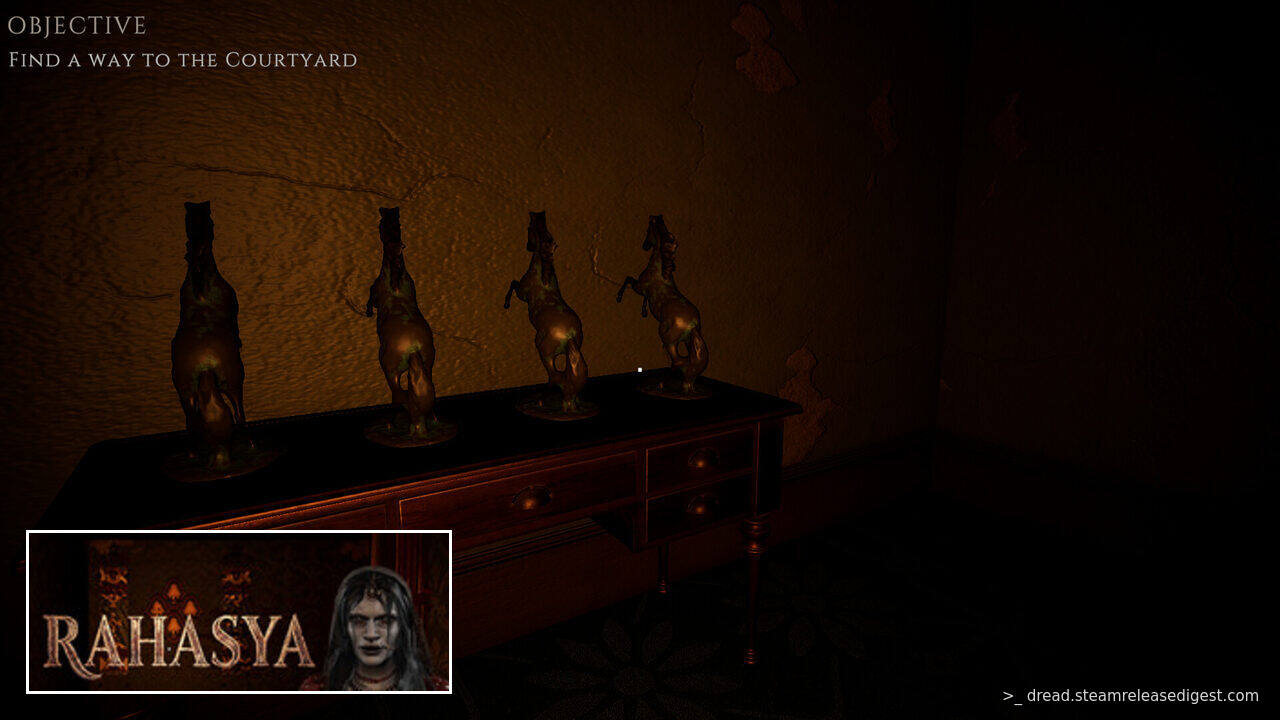
The damp, heavy silence of a shuttered 1992 Indian haveli is a perfect canvas for horror, and this game understands that the most terrifying thing in an empty ancestral home is realizing you are not actually alone. Developed by SuperHorizon Studios, this first-person horror title eschews the loud, bloody spectacles of mainstream horror in favor of a slow-burning, culturally rich nightmare where your worst enemy is your own sense of routine.
The premise of the game is rooted in classic gothic tragedy: you have reclaimed your family’s long-sealed ancestral estate, only to find the dust-laden rooms harboring a dark, forgotten history. In this haunted house, there are no weapons. You cannot fight back against the entity that stalks the hallways. Instead, survival hinges on your ability to navigate the intricate layout of the haveli—its courtyards, hidden passages, and locked ritual rooms—while solving puzzles that require careful observation rather than explicit instructions. The level design is non-linear, allowing you to tackle objectives in different orders, but this freedom comes with a distinct lack of safety.
What elevates the experience above a standard walking simulator is the game’s reactive entity, the “Bhootni.” This is not a monster on a fixed, predictable track. The AI listens to your movement, tracks your sounds, and actively learns your habits. If you consistently use a specific hallway because it feels safe, the entity will catch on and begin waiting for you there. This dynamic forces a tense, constantly shifting playstyle where you must continually find new paths and avoid falling into predictable patterns—or risk getting caught in what players have described as “the loop” of endless chases. The sound design plays a critical role here; every creaking floorboard and distant scrape is a warning that you are being monitored.
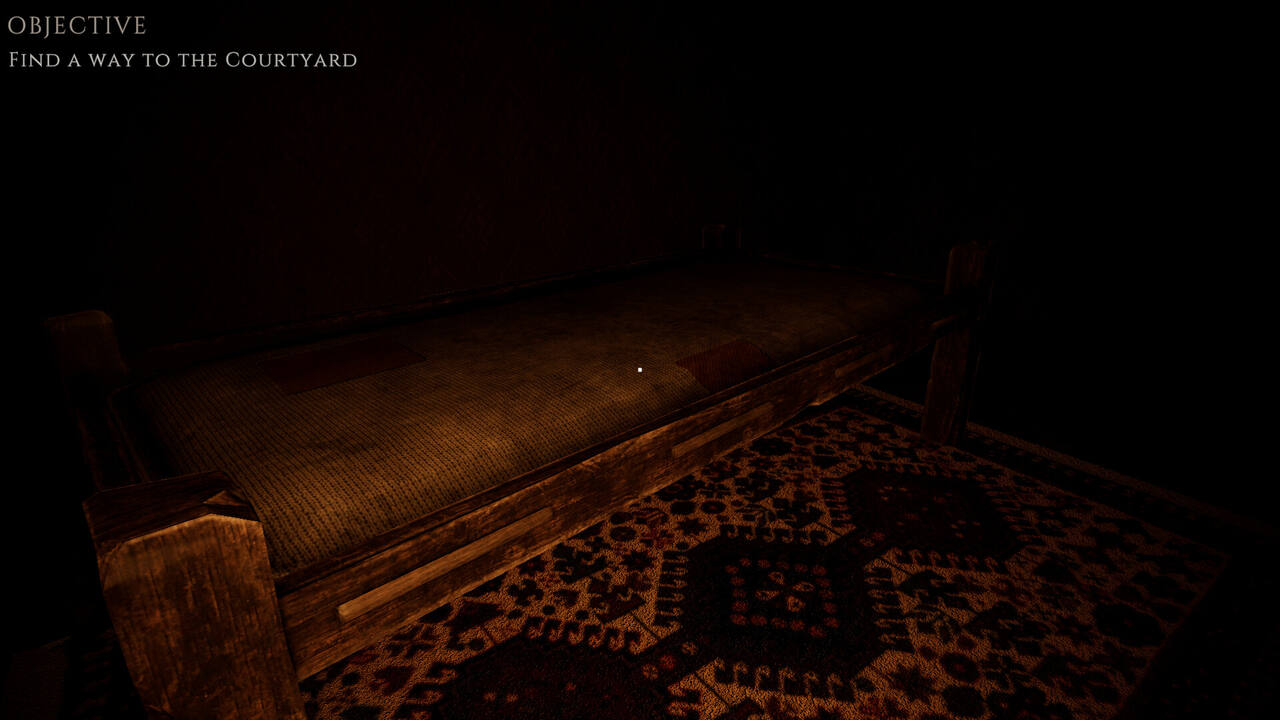
Steam players have responded very warmly to the game’s cultural identity, resulting in a 100% positive review rating. In a subgenre saturated with Western asylums and generic haunted houses, the game’s use of Indian mythology and folklore to drive its narrative feels refreshing and distinct. Reviewers frequently praise the tense atmosphere and immersive sound design, noting that the tension builds naturally from the environment rather than relying on cheap, ear-splitting jump scares. The voice acting also receives high marks for drawing players deeper into the mystery of the bloodline, making the unfolding narrative feel personal and tragic.
However, the community is honest about the game’s rough edges. Early players encountered a scattering of bugs, and while recent patches from the developers have smoothed out much of the experience, some users still feel the title could have benefited from a more rigorous playtesting phase before its launch. There is also a consensus that, when compared to polished international indie heavyweights, the game can feel slightly unpolished. Some reviewers expressed a desire for deeper lore surrounding the Bhootni and more cinematic cutscenes. Additionally, at $8.99, a few players felt the price tag was slightly steep given the game’s modest length, comparing it to other regional horror titles like Kamla which offer similar themes with different levels of polish.
Ultimately, this is a highly commendable effort that will appeal directly to horror fans who prize atmosphere and setting over high-octane action. If you enjoyed the domestic dread of Kamla or appreciate hide-and-seek horror that respects your intelligence, this Indian gothic tale is well worth your time, bugs and all. It is a quiet, tense exploration of generational guilt and mythological dread that proves you don’t need a massive budget to make a player hold their breath.
Key Facts
- Developer: SuperHorizon Studios
- Publisher: Jabsz Studios
- Release Date: Jul 10, 2026
- Price: $8.99